
Common Questions, Straightforward Answers
If you've been hurt and you're not sure what your rights are, what the process looks like, or whether you even have a case — you're not alone. Most people have never dealt with a serious injury claim before. These answers are written in plain language because information shouldn't cost you anything.
General Personal Injury Questions
How Long Do I Have to File a Personal Injury Claim in North Carolina?
In most personal injury cases, North Carolina gives you three years from the date of the injury to file a lawsuit. This is called the statute of limitations. If you miss that deadline, you lose your right to recover — regardless of how strong your case is.
There are exceptions. Claims against government entities often have much shorter notice requirements — sometimes as little as 90 days. Cases involving minors may have extended deadlines. And in some medical malpractice cases, the clock doesn't start until you discover the harm, not when it occurred. If you're unsure where you stand, don't wait to find out.
What Is North Carolina's Contributory Negligence Rule?
North Carolina is one of only a handful of states that still follows pure contributory negligence. Under this rule, if you are found even 1% at fault for your own injury, you may be barred from recovering anything — even if the other party was 99% responsible.
Insurance companies know this rule well and use it aggressively. They will look for any way to place partial blame on you: your speed, your lane position, whether you were on your phone, whether you were wearing a seatbelt. This is one of the most important reasons to speak with an attorney before giving a recorded statement to an insurer. What you say early in the process can be used to assign you fault later.
Do I Need a Lawyer After an Accident in North Carolina?
Not every accident requires legal representation, but most serious injury cases do. When injuries are significant, when liability is disputed, or when an insurance company is involved — and it almost always is — having an attorney changes the outcome. Insurers negotiate with unrepresented claimants differently than they negotiate with attorneys who have a trial record.
At Patterson Law, we handle every case ourselves. You work directly with an attorney, not a case manager or a paralegal handling a docket of hundreds of files. If you're on the fence, a free consultation costs you nothing and gives you a clear picture of where you stand.
How Much Does a Personal Injury Attorney Cost in North Carolina?
We work on contingency, which means you pay nothing unless we win your case. Our fee comes as a percentage of the recovery — there is no upfront cost, no hourly billing, and no charge for the initial consultation.
This structure exists specifically so that cost is never a barrier to getting help. If we don't recover for you, you don't owe us attorney's fees. We'll explain the fee structure clearly before you sign anything, so there are no surprises.
What Should I Do Immediately After an Accident?
The steps you take in the hours and days after an accident directly affect the strength of your claim. Here's what matters most:
- Call 911 and get a police report filed, even if the accident seems minor.
- Seek medical attention immediately — gaps in treatment are used against you.
- Document everything: photographs of the scene, vehicle damage, your injuries, and road conditions.
- Get contact information from witnesses before they leave.
- Do not give a recorded statement to any insurance company before speaking with an attorney.
- Contact a personal injury attorney as early as possible to preserve evidence.
What If I'm Not Sure Whether I Have a Case?
That's exactly what the free consultation is for. You don't need to know the legal theory behind your claim — that's our job. You need to tell us what happened, and we'll tell you honestly whether we think you have a viable case and what pursuing it would look like.
We don't take every case that comes through the door. When we do take a case, it's because we believe in it. That honesty goes both ways.
Car Accident Questions
What Is the Statute of Limitations for Car Accidents in NC?
For most car accident claims in North Carolina, you have three years from the date of the crash to file a lawsuit. Property damage claims follow the same three-year window. Claims against a government entity — a city or county vehicle, for example — require formal notice within a much shorter timeframe, sometimes 90 days or less.
Three years sounds like a long time. It isn't. Evidence disappears, witnesses become harder to locate, and memories fade. The earlier you involve an attorney, the more options you have.
What If the Other Driver Was Uninsured?
North Carolina requires drivers to carry uninsured motorist (UM) coverage, and your own policy may provide the recovery you need when the at-fault driver has no insurance or insufficient coverage. Underinsured motorist (UIM) coverage works similarly when the other driver's policy limits aren't enough to cover your damages.
These claims are made against your own insurer — which doesn't mean they're easy. Your insurance company has the same financial incentive to minimize your payout that any other insurer does. An attorney who handles car accident cases regularly knows how to navigate these claims and how to push back when a low offer comes in.
What Damages Can I Recover After a Car Accident?
Recoverable damages in a North Carolina car accident case typically include:
- Medical expenses, both current and future
- Lost wages and reduced earning capacity
- Property damage and vehicle replacement costs
- Pain and suffering
- Emotional distress
- Loss of enjoyment of life
The value of a claim depends on the severity of the injury, the clarity of liability, the insurance coverage available, and the long-term impact on your life. A case involving a herniated disc and six weeks of physical therapy is valued differently than one involving a spinal cord injury or a traumatic brain injury. We assess every case individually.
Should I Accept the Insurance Company's First Settlement Offer?
Almost never. First offers from insurance adjusters are typically far below the actual value of a claim. Adjusters are trained negotiators working on behalf of the insurer's bottom line — not yours. Once you accept a settlement and sign a release, that claim is closed permanently. You cannot come back later if your injuries turn out to be worse than expected.
Before accepting any offer, talk to an attorney. The consultation is free, and understanding what your case is actually worth costs you nothing.
Workers' Compensation Questions
What Is Workers' Compensation in NC and Who Qualifies?
Workers' compensation is a state-mandated insurance program that provides benefits to employees who are injured on the job or develop an occupational illness. In North Carolina, most employers with three or more employees are required to carry workers' comp coverage.
If you're injured at work, you're generally entitled to benefits regardless of who was at fault. That's the trade-off built into the system: you don't have to prove negligence, but your recovery is limited to what workers' comp provides. Benefits typically include coverage for medical treatment, temporary disability payments while you're unable to work, and permanent disability compensation if your injury has lasting effects.
What If My Workers' Comp Claim Is Denied?
Denials are common, and they are not final. Insurance carriers deny claims for a range of reasons — disputing that the injury is work-related, questioning the severity, or citing procedural issues with how the claim was filed. You have the right to appeal a denial through the North Carolina Industrial Commission.
The appeals process has deadlines and procedural requirements. If your claim has been denied, contact an attorney promptly. We handle workers' compensation cases throughout the Piedmont, including Kannapolis, Salisbury, and Gastonia.
Can I Be Fired for Filing a Workers' Comp Claim?
North Carolina law prohibits employers from retaliating against employees for filing a legitimate workers' compensation claim. If you were terminated, demoted, or otherwise penalized after filing, that may constitute wrongful termination and create additional legal claims.
Retaliation doesn't always look obvious. Sudden performance issues appearing in your file, reduced hours, or a shift change that makes your job untenable can all be forms of retaliation. Document everything that changes after you file your claim.
Can I Sue My Employer for a Workplace Injury?
In most cases, no. Workers' compensation is designed as the exclusive remedy against your employer for a workplace injury. However, if a third party — a contractor, equipment manufacturer, or another driver — contributed to your injury, you may be able to pursue a separate personal injury claim against that party in addition to your workers' comp benefits.
These third-party claims can significantly increase your total recovery. Identifying whether a third-party claim exists is one of the first things we look at in any workplace injury case.
Medical Malpractice Questions
How Do I Know If I Have a Medical Malpractice Case?
Medical malpractice occurs when a healthcare provider's treatment falls below the accepted standard of care and causes harm. A bad outcome alone is not malpractice — medicine involves risk, and not every complication is the result of negligence. What matters is whether the provider did what a competent professional in the same field would have done under the same circumstances.
Common situations that may give rise to a malpractice claim include surgical errors, failure to diagnose a condition a reasonable physician should have caught, nursing home neglect, and birth injuries caused by improper delivery techniques. If you suspect something went wrong with your care or a loved one's care, a consultation is the first step.
How Long Do I Have to File a Medical Malpractice Claim in NC?
North Carolina generally allows three years from the date of the negligent act to file a medical malpractice lawsuit. There is also a discovery rule: if you didn't know and couldn't reasonably have known about the malpractice when it occurred, the clock may start from when you discovered — or should have discovered — the harm.
However, there is an absolute outer limit of four years from the date of the act, regardless of when you discovered it. Exceptions exist for cases involving minors and for situations where the provider fraudulently concealed the negligence. Medical malpractice cases are complex and time-sensitive — do not wait.
What Does It Cost to Pursue a Medical Malpractice Case?
Medical malpractice cases require expert witnesses, medical record review, and significant preparation before they ever reach a courtroom. These cases are expensive to build. We handle them on a contingency basis, meaning we advance the costs and recover them only if we win.
You will not be billed for expert fees, filing costs, or attorney time while your case is pending. If we don't recover, you don't owe us for those expenses. We explain this clearly before we take any case.
Process and Fees
What Happens During a Free Consultation at Patterson Law?
We sit down with you — in person at our Kannapolis, Salisbury, or Gastonia office, or by phone if that's easier — and we listen to what happened. We ask questions to understand the facts, the injuries, and the circumstances. Then we give you our honest assessment of whether you have a viable claim and what pursuing it would involve.
There is no obligation, no pressure, and no charge. We don't use the consultation to sell you on hiring us. We use it to figure out whether we can genuinely help you.
How Long Does a Personal Injury Case Take to Resolve?
It depends on the case. A straightforward car accident claim with clear liability and a cooperative insurer may resolve in a few months. A case involving disputed liability, serious injuries, or a trial may take two to three years or longer.
We don't push cases to settle fast at the expense of full value. Cases close when the right number is on the table — not when it's convenient for the calendar. We keep you informed throughout the process so you're never left wondering where things stand.
Will My Case Go to Trial?
Most personal injury cases settle before trial. But "most" is not "all," and the cases that settle for fair value almost always do so because the other side knows the plaintiff's attorney is prepared and willing to try the case. We are trial attorneys. We prepare every case as if it will be tried, and that preparation is what produces results at the negotiating table.
If your case does go to trial, you will be represented by attorneys who have been in that courtroom before — not handed off to someone unfamiliar with your file.
Do I Have to Pay Anything If Patterson Law Doesn't Win My Case?
No. We work on a contingency fee basis. If we don't recover compensation for you, you owe us nothing in attorney's fees. Costs advanced during the case — filing fees, expert costs, records retrieval — are also recovered only from the settlement or verdict. We absorb that risk alongside you.
This is how we've always operated. It's the only arrangement that makes sense when the people who need legal help most are already dealing with lost income and medical bills.
Why Should I Choose Patterson Law Over a Larger Charlotte Firm?
Because your case won't be handled by a case manager who's never met you. At Patterson Law, attorneys handle the work — from the first call through resolution. We have offices in Kannapolis, Salisbury, and Gastonia specifically because the Piedmont is where we practice and where our clients live. We're not a Charlotte firm with a satellite office. We're a Piedmont firm, full stop.
Nearly all of our clients come to us through referrals from past clients and from other attorneys who trust us with their most serious cases. That track record is built one case at a time.
Have more questions? Explore our blog:
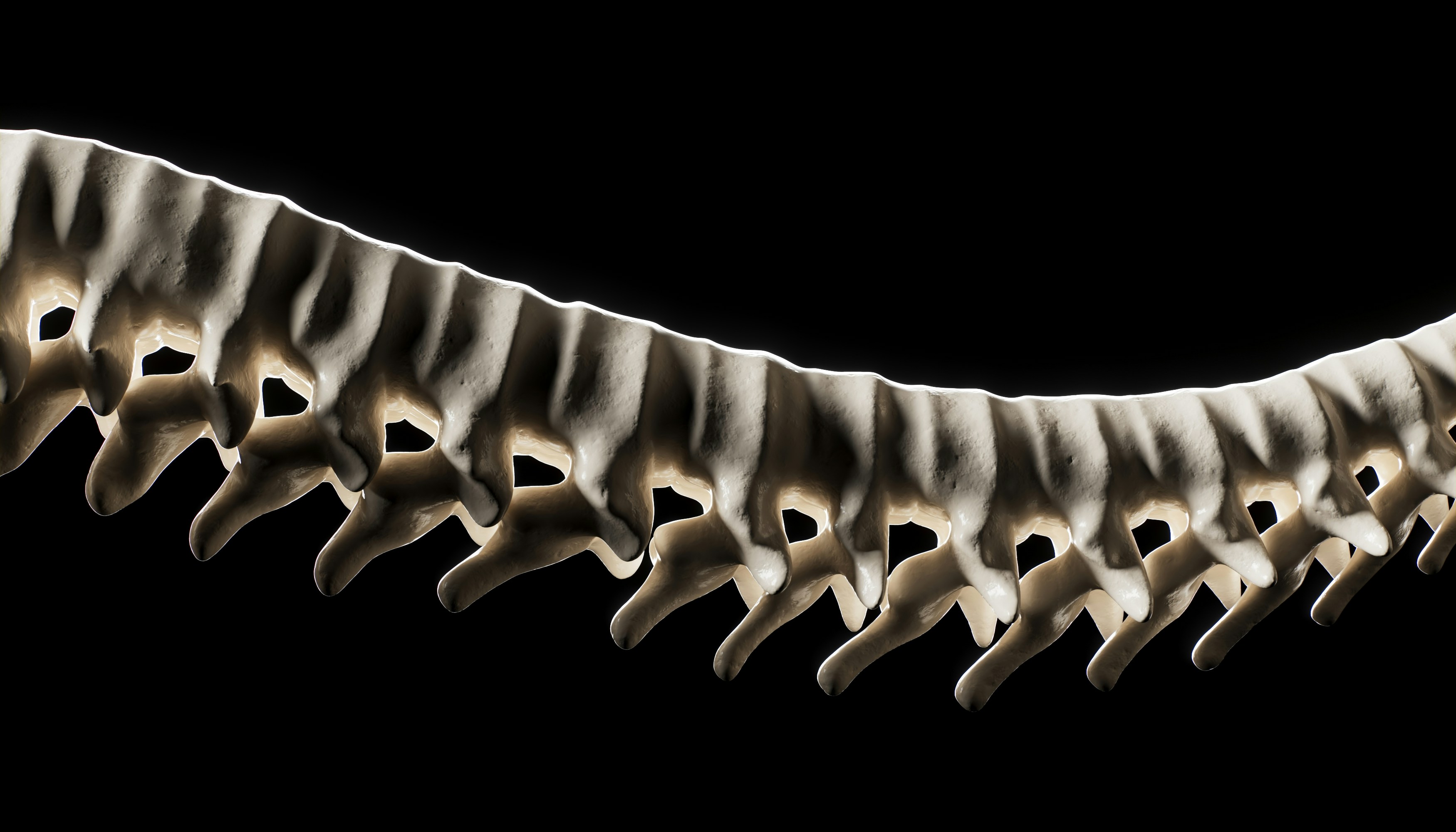
Spinal Cord Injury Settlements in North Carolina — How Lifetime Damages Are Calculated

North Carolina Motorcycle Helmet Law — How It Affects Your Injury Claim

Can You Sue a Nursing Home in North Carolina?
Patterson Law represents injury victims throughout the NC Piedmont from offices in Kannapolis, Salisbury, and Gastonia. Our attorney — admitted to practice in North Carolina and recognized by peers across the region — has built this firm on referrals from clients and colleagues who trusted us when it mattered most. If you have more questions or you're ready to talk through your situation, we're available.